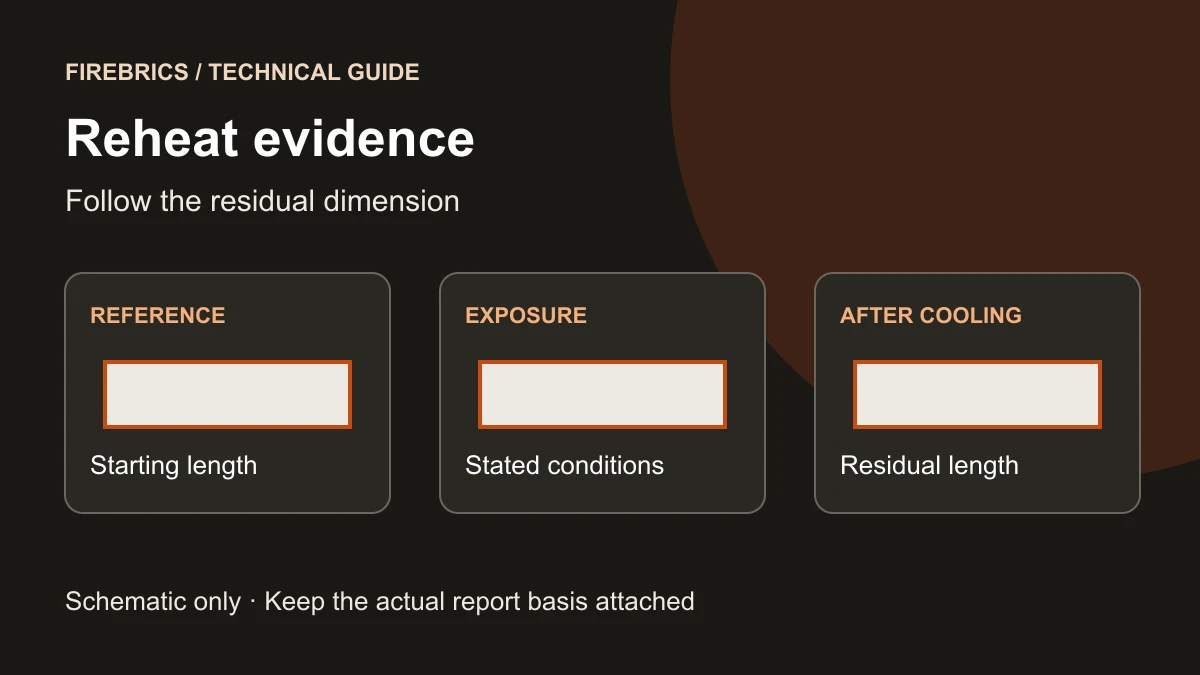
Permanent Linear Change of Refractory Brick: Read Reheat Reports Correctly
Read refractory permanent linear change reports: check residual length, sign, reheat conditions and measurement basis before comparing supplier data.
Zone selection guides, material comparisons, installation checks, and failure analysis for industrial refractory buyers.
Read refractory permanent linear change reports: check residual length, sign, reheat conditions and measurement basis before comparing supplier data.
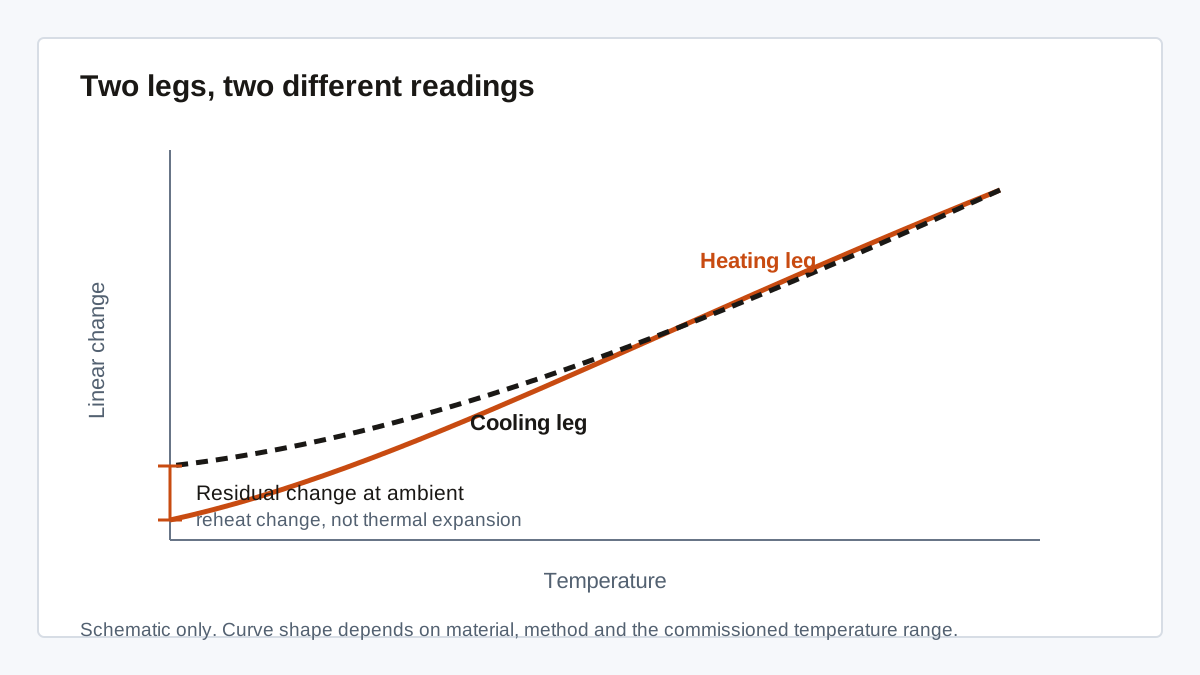
What the heating and cooling legs of a refractory expansion curve mean, which measurement conditions make two datasets comparable, and what to request from a supplier.
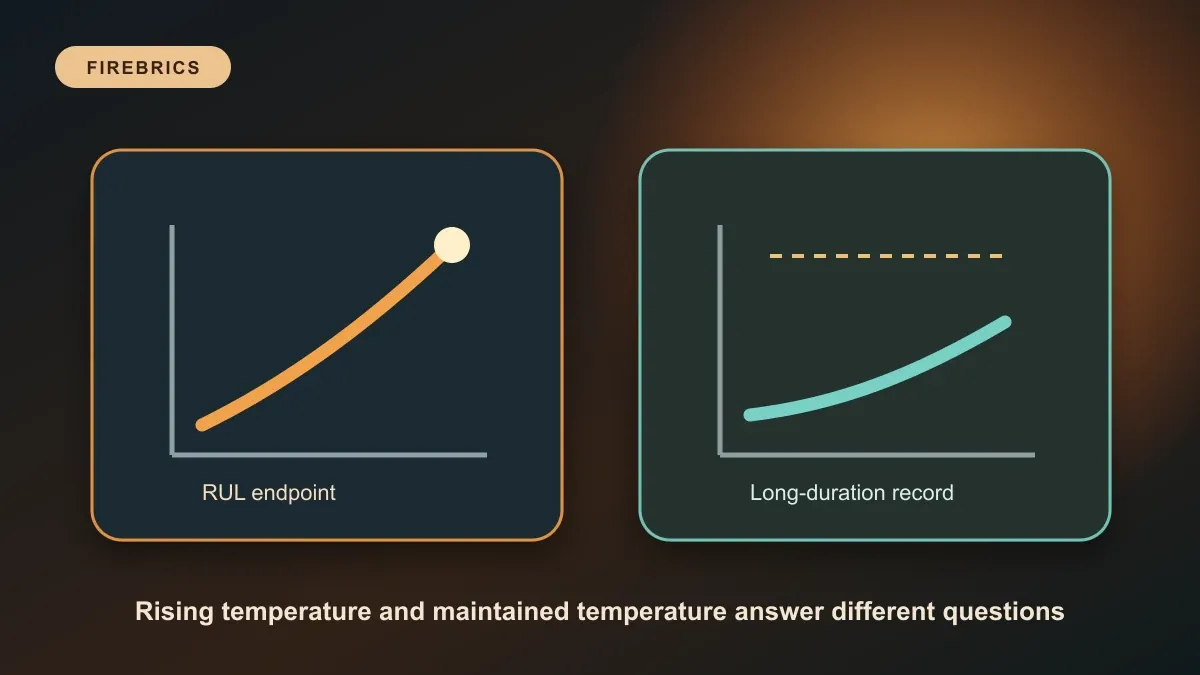
Compare refractory creep and RUL evidence. See what stress, temperature, duration, specimen and strain-time fields to request before comparing reports.
Compare PCE classification and RUL loaded-deformation evidence by method, material, load, heating schedule, atmosphere, endpoint, and report basis.
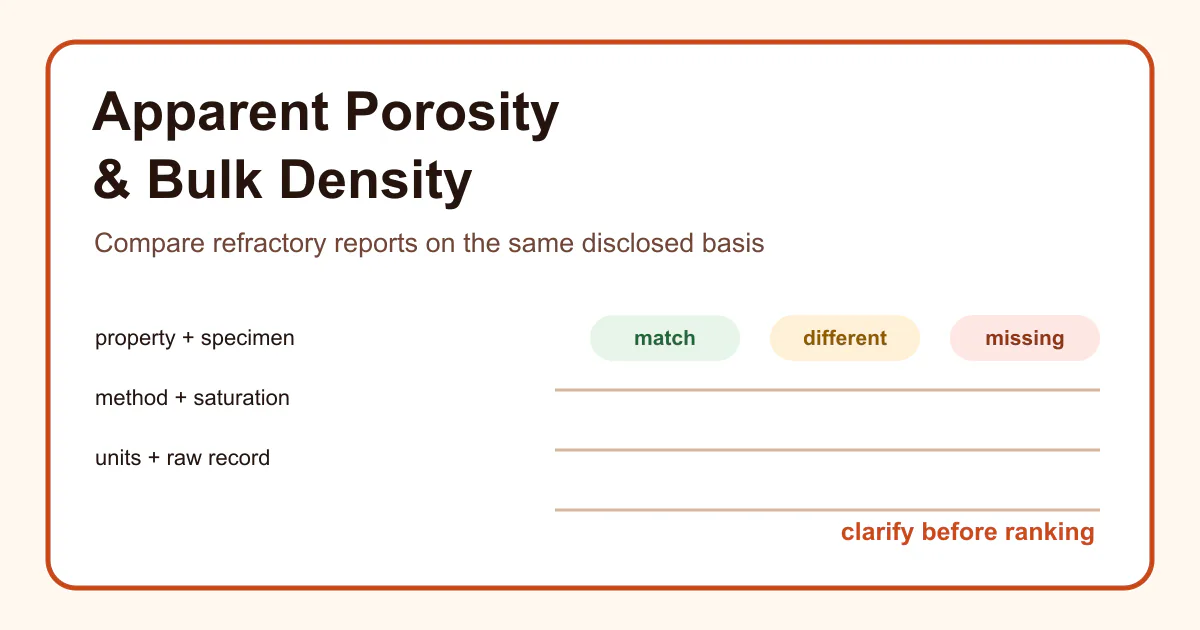
Compare refractory apparent porosity and bulk density by property definition, method, specimen condition, saturation liquid, units, and report basis.
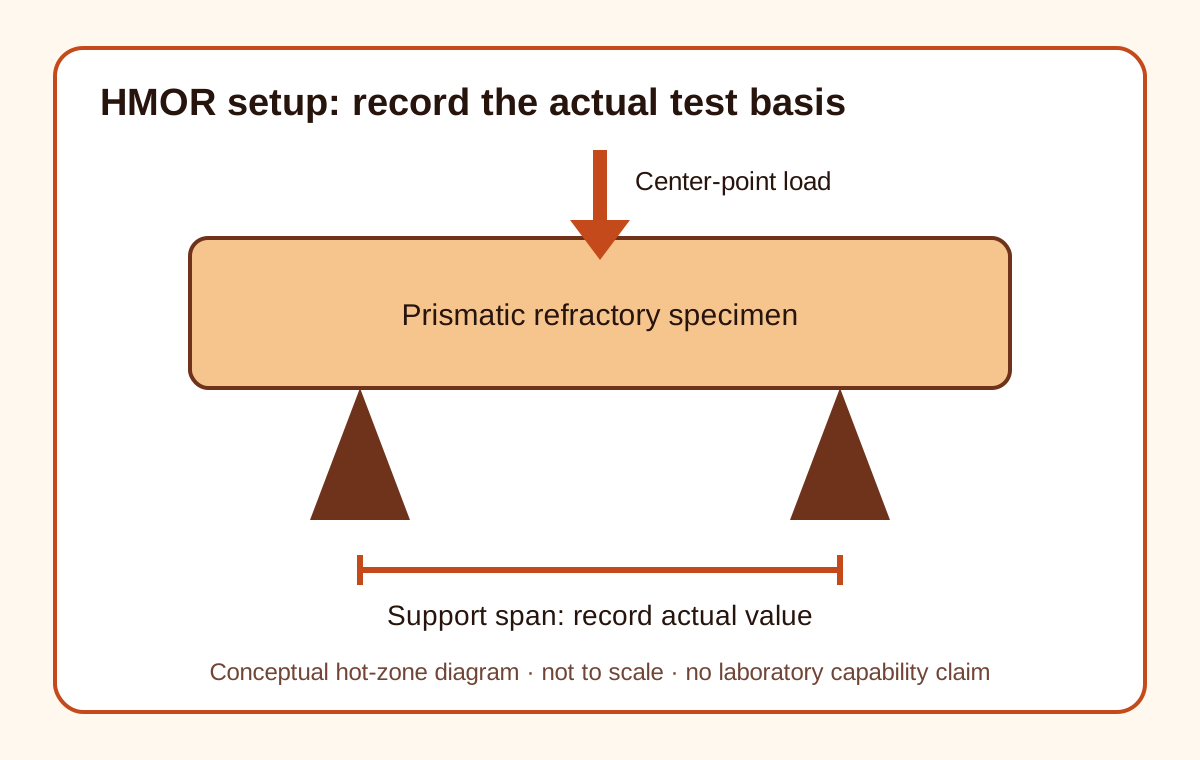
Compare refractory HMOR reports by method, specimen, support span, temperature, dwell, atmosphere, preparation, units, and acceptance basis.
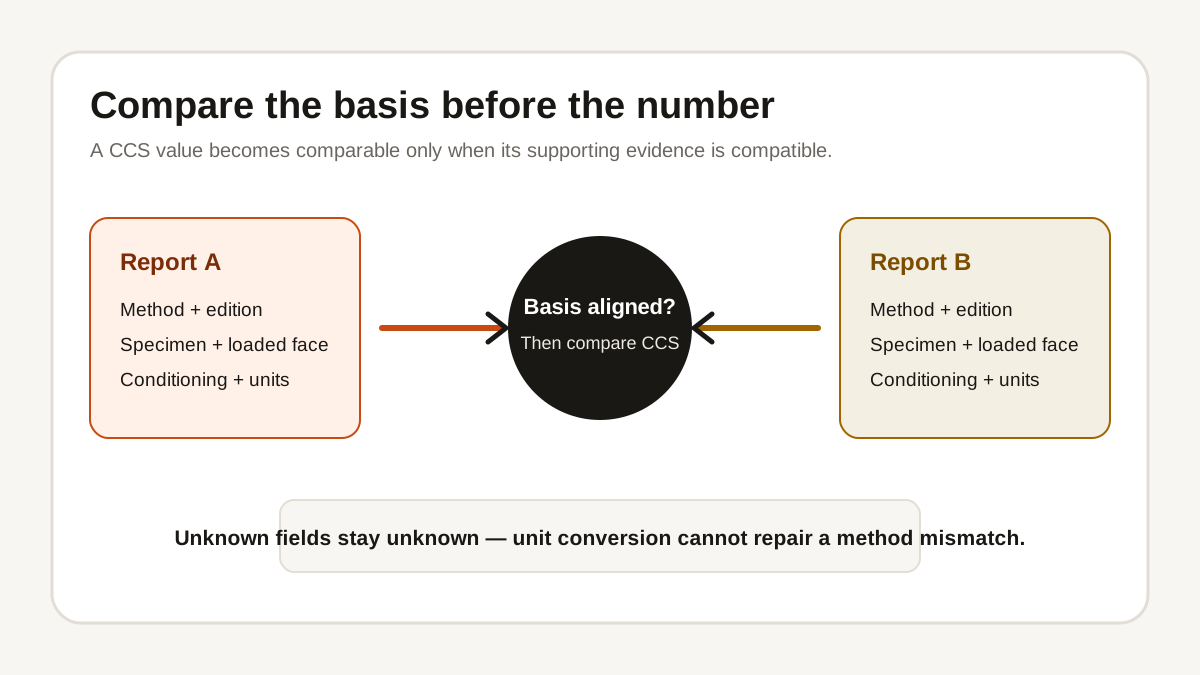
Compare refractory brick CCS reports by method, specimen, loaded area, orientation, conditioning, units, and acceptance basis.
A boiler refractory inspection only helps if it produces a quotable report: what to document, how to grade severity, and what a repair/reline RFQ must specify.

Refractory brick thermal conductivity is not comparable by default. Match temperature basis, test method and density before comparing k-values.
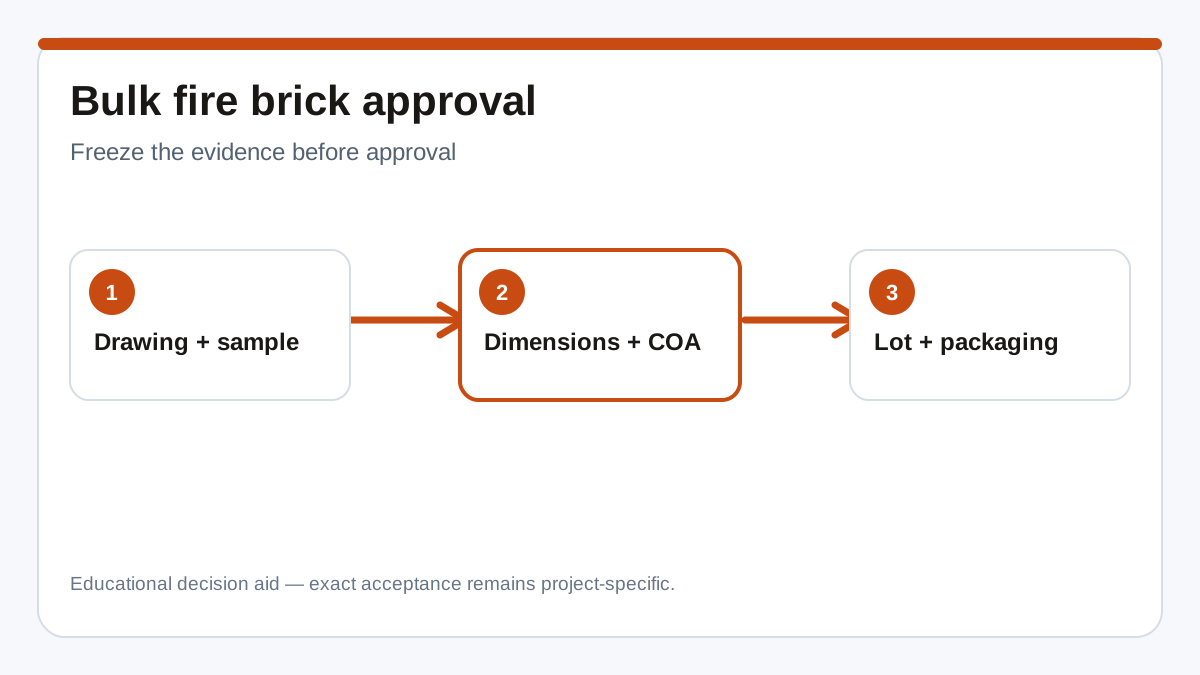
Approve a refractory brick sample against drawings, dimensions, test methods, COA fields, lot traceability and packaging before a bulk order.
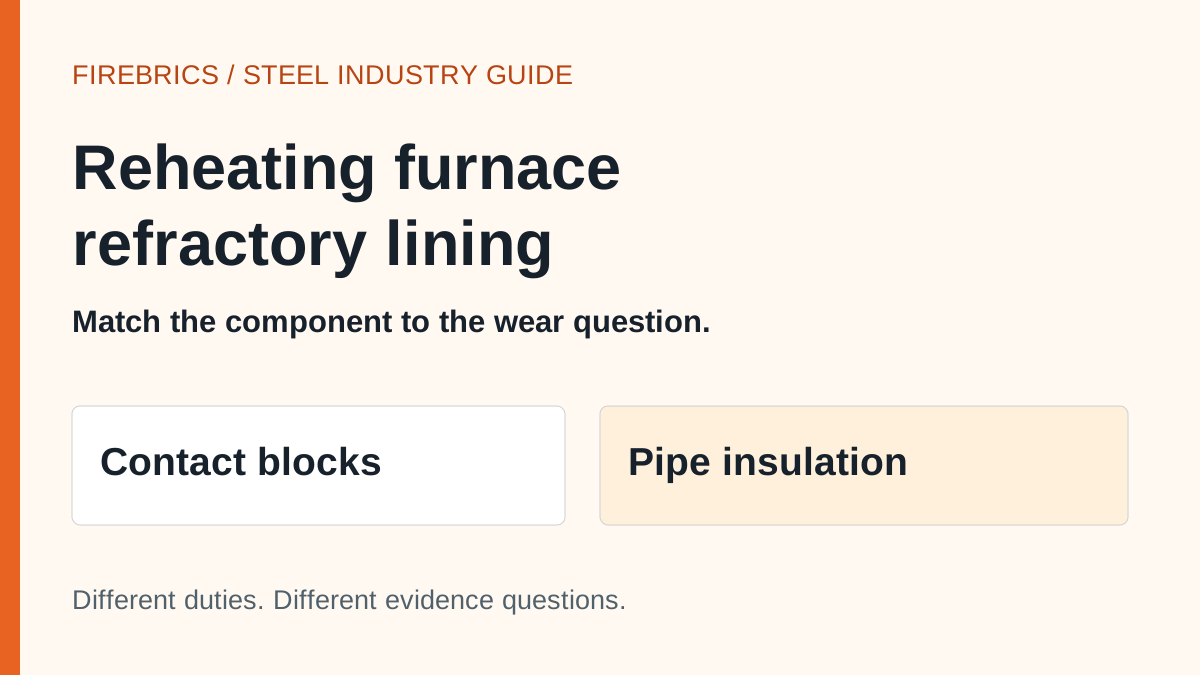
Match reheating furnace wear questions to hearth blocks, skid-pipe insulation, burner components and lining layers before comparing refractory products.
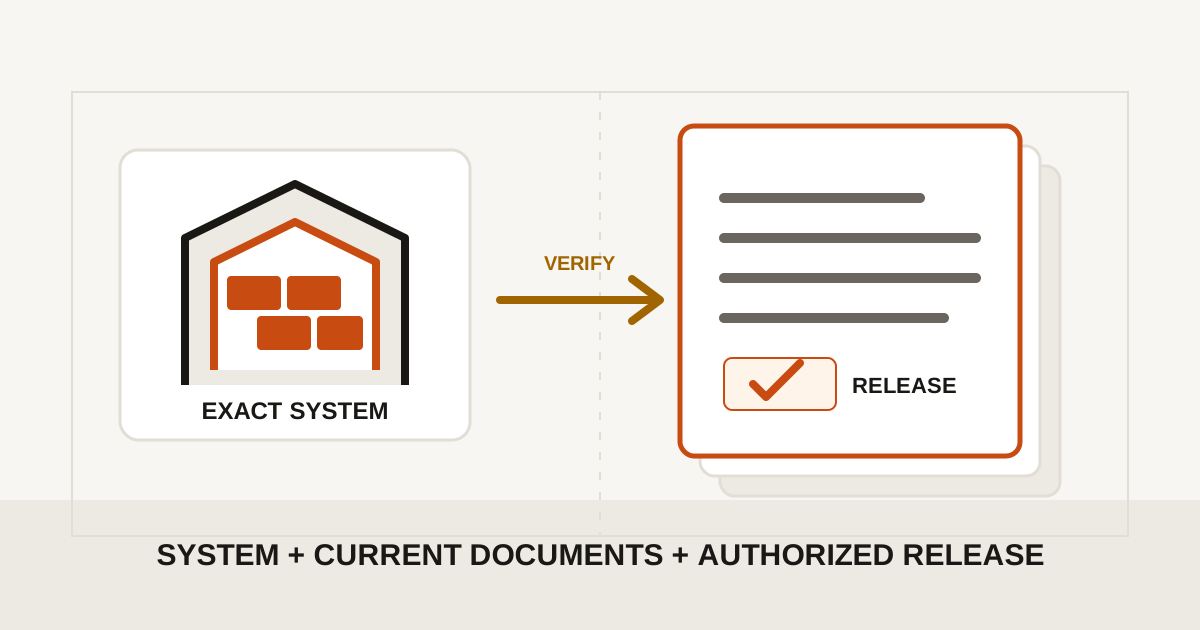
Check the controlling furnace or appliance documents before choosing mortar, joints, movement details, or the first-fire procedure.
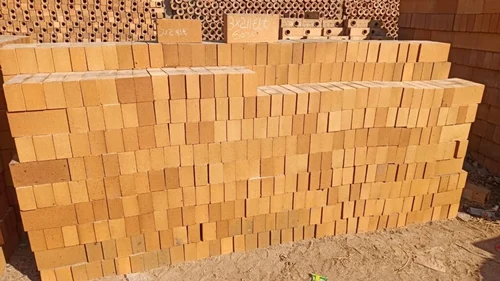
Learn what fire bricks are made of, how forming and firing change their structure, and which test data to request before selecting a grade.
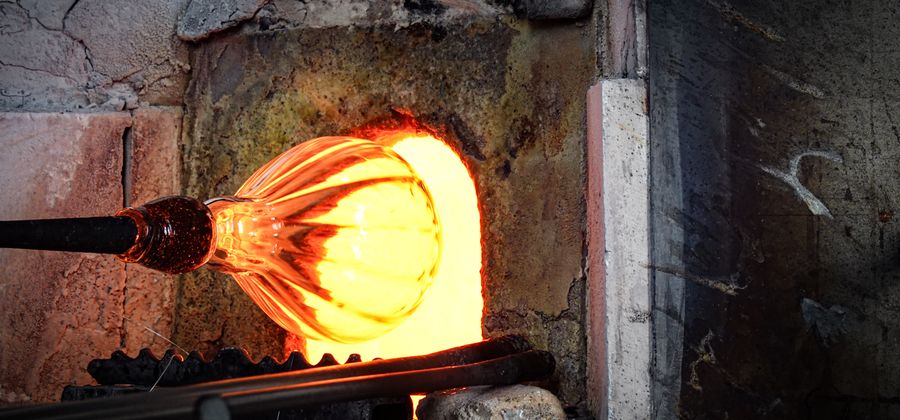
Understand silica fire brick through phase mineralogy, thermal history, chemistry and application evidence—without relying on a universal 600°C rule.
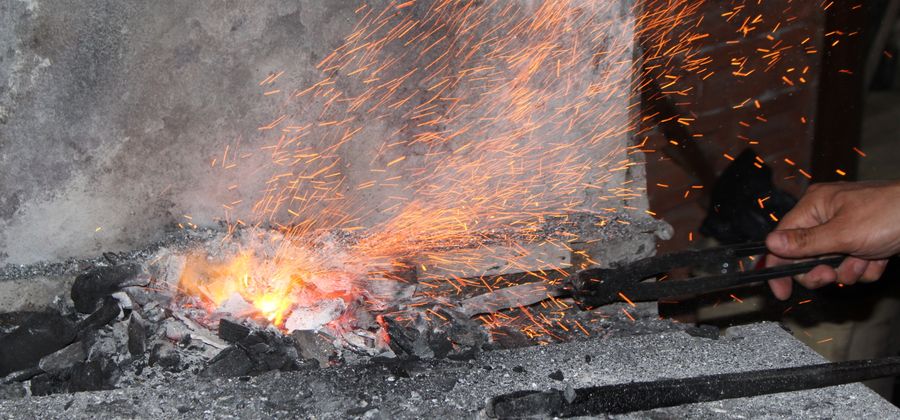
Choose fire bricks for a forge by fuel, hot-face temperature, abrasion and supplier data. Compare dense brick with insulating firebrick.
Duty grades, standard sizes, refractory mortar requirements, and how to spot failing chimney firebrick. Expert guide by Firebrics.
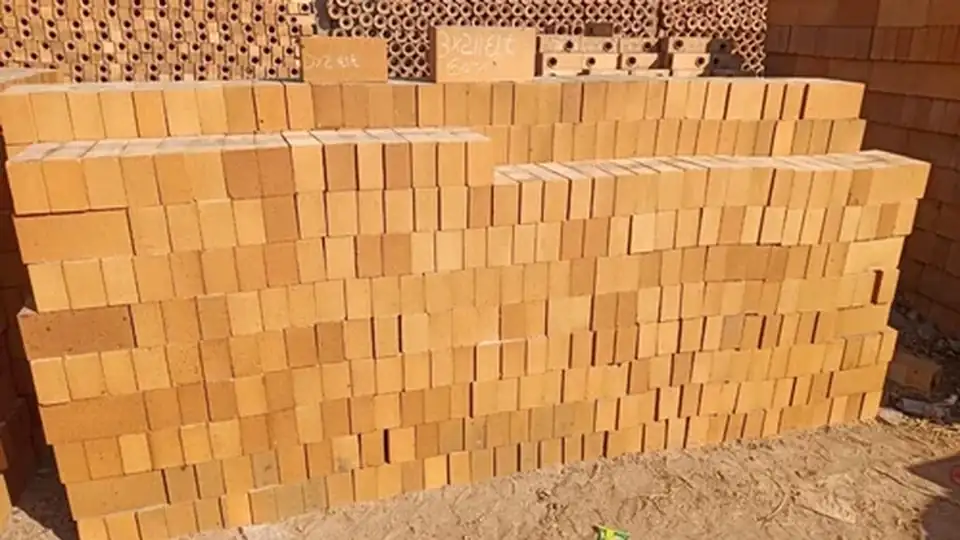
A factory-direct comparison of the three refractory linings — bricks, castable, and ceramic fiber — by temperature, strength, cost, install time, and furnace zone.
Select rotary kiln refractory by process, zone, coating behavior, chemical attack, abrasion and thermal cycling before confirming the lining design.

Choose fire brick, insulation and mortar for oven floors and domes. Compare brick and castable designs, then review curing and first-fire checkpoints.
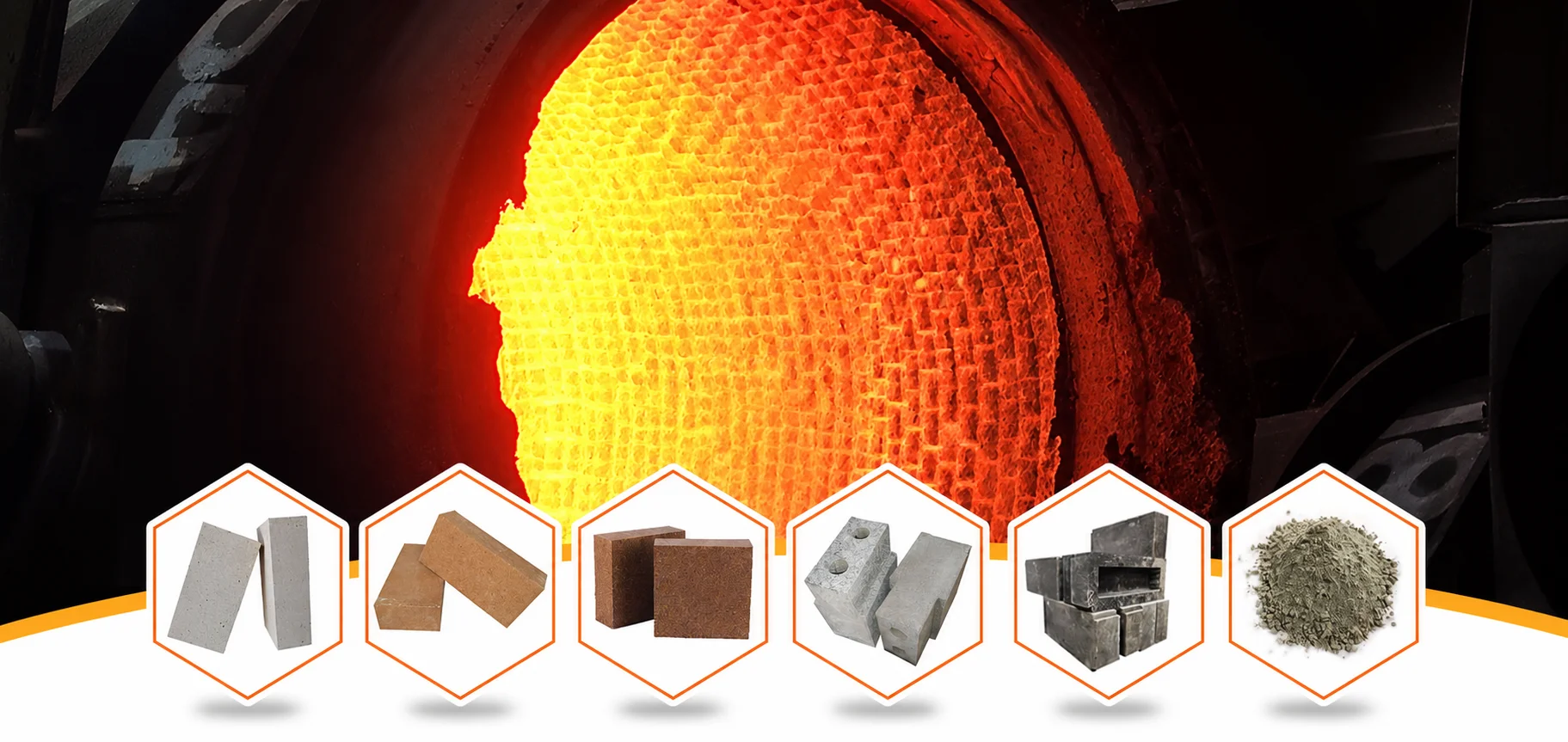
Choose fire brick for industrial furnaces by zone, temperature, atmosphere, slag exposure and load. Compare fireclay, high alumina and insulating grades.
See where fire bricks are used, from fireplaces and ovens to steel, cement, glass and ceramic equipment, with grade-selection questions for each application.
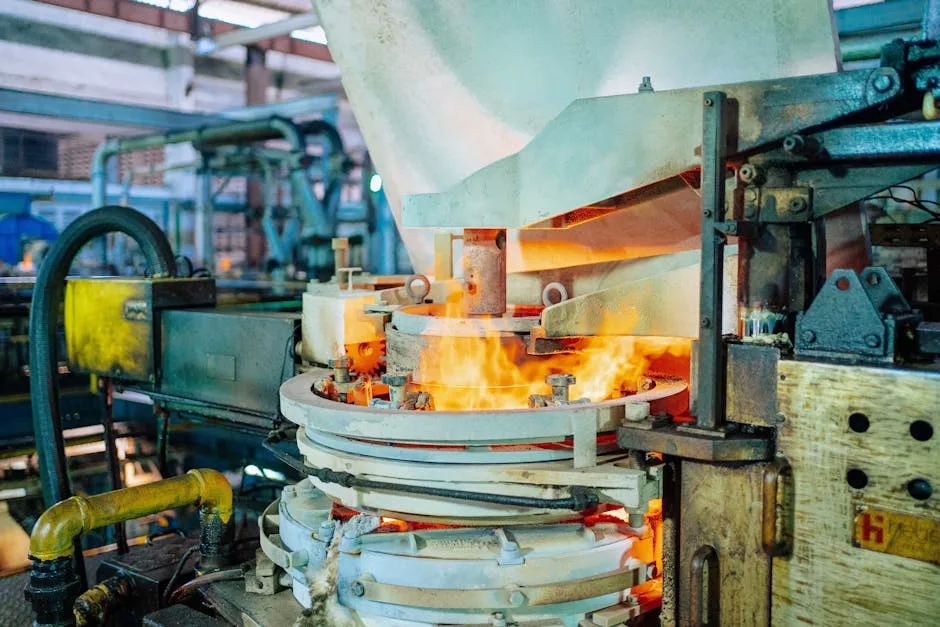
Compare AZS, silica, alumina and insulating refractories for glass furnace crowns, regenerators and melt-contact zones by corrosion and contamination risk.
Brick does not burn, but common brick can still crack and spall under direct flame. Learn when to use fire brick or refractory brick instead.
Choose fire bricks for outdoor fireplaces by duty grade, size, mortar and firebox design. Includes installation and curing checkpoints.
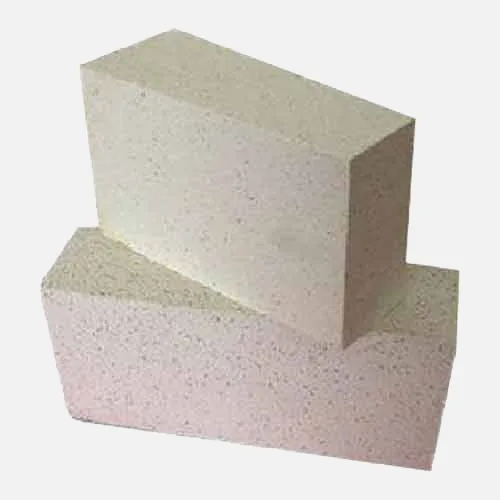
Choose insulating fire bricks by temperature, density, load and lining position. Compare K23 to K32 grades for hot-face and backup-layer duties.
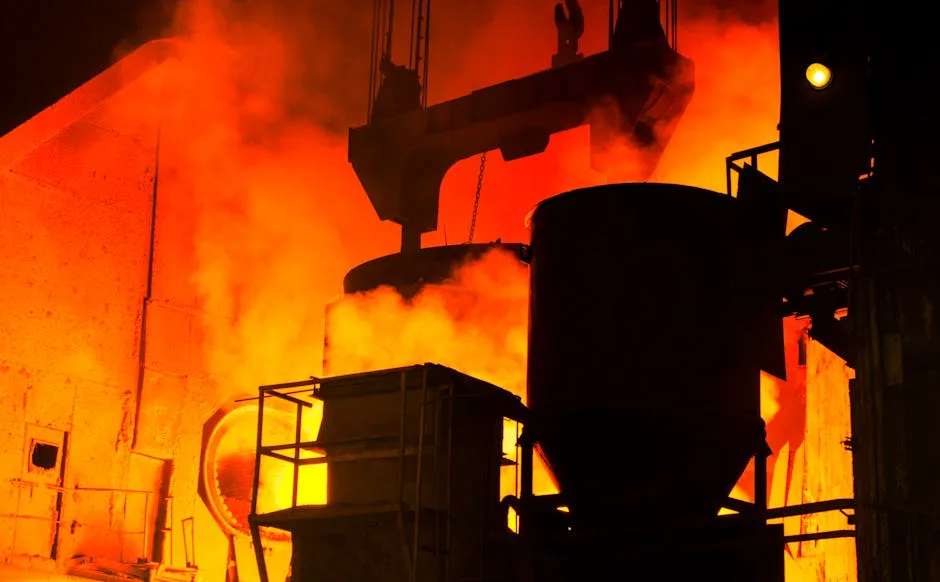
Select steel refractories by furnace zone, slag chemistry, thermal load and wear across blast furnaces, EAF, BOF, ladles and tundishes.
Select cement kiln refractory by zone, coating stability, alkali attack, abrasion and thermal cycling before confirming grades and installation details.
Learn the main refractory brick types, properties and industrial uses, then compare application conditions before choosing a product grade.