Can Brick Burn? What Heat Really Does to Common Brick and Fire Brick
Jason Gong
Founder & Sales Director · Product Inquiry Contact
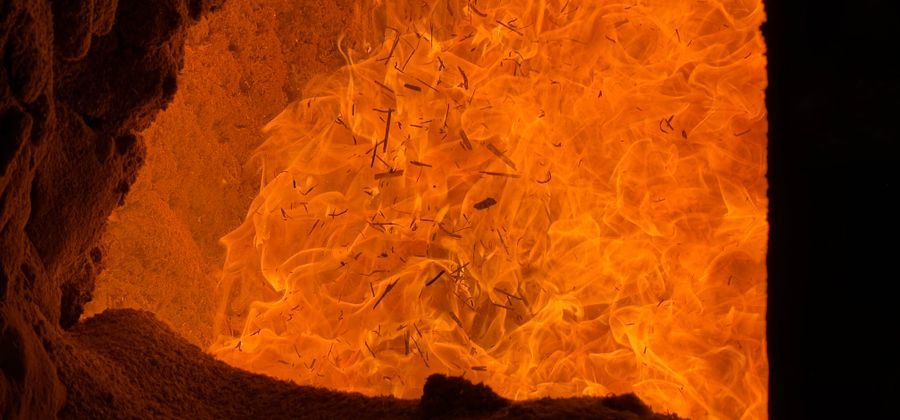
Can brick burn? No. Fired clay brick is non-combustible, so it does not ignite or add fuel to a fire. What does happen is that common brick can crack, spall, or lose strength under direct flame, while fire brick is engineered for high-temperature service. That distinction matters more than the yes-or-no question. (Bricks are stubborn. Physics is more stubborn.)
The short answer is no. The failure mode is not burning.
The exact answer to can brick burn is no. Fired clay brick is a ceramic material. Once clay has already been fired in a kiln, there is no useful fuel left in it. The Brick Development Association classifies clay brick as A1 non-combustible, which is the highest reaction-to-fire class in that system.
That does not mean every brick can sit in direct flame forever. A brick wall can resist fire very well as a wall. A fireplace liner, pizza oven floor, forge, or kiln hot face is a different job entirely. Those applications need a brick that survives temperature, thermal shock, and repeated cycles, not just one that refuses to ignite.
This is where search results often go thin. Most pages stop at “brick does not burn.” Fair enough. But the buying mistake happens one step later, when someone assumes non-combustible means refractory. It does not.
Direct answer: Brick does not burn. Common brick may still crack or spall in a firebox. Fire brick is the correct material where flame touches the lining.
Use the Burn-Break-Spall test, not the campfire test
Our preferred way to explain this is the Burn-Break-Spall test. It is simple, memorable, and more useful than arguing over one word.
- Burn: Does the material ignite and contribute fuel to the fire? Brick does not.
- Break: Does the wall, firebox, or furnace lining lose structural integrity under heat? It can, especially if the wrong brick, wrong mortar, or wrong backup layer was used.
- Spall: Does the hot face flake, pop, or shed layers because of steam pressure or thermal stress? Common brick often does. Proper fire brick resists it far better.
That middle step is where whole brick houses, chimneys, and old furnaces confuse people. The brick shell may still stand while the interior structure burns away. That is why a Brick Industry Association technical note talks about full wall assemblies, fire resistance ratings, and tested details instead of treating brick as magic.
"The phrase 'brick is fireproof' causes more specification mistakes than low temperature ever does. The right question is not whether the brick burns. The right question is whether the brick was designed for direct flame, the required temperature, and the actual heat-up and cool-down cycle."
Why common brick still fails under direct flame
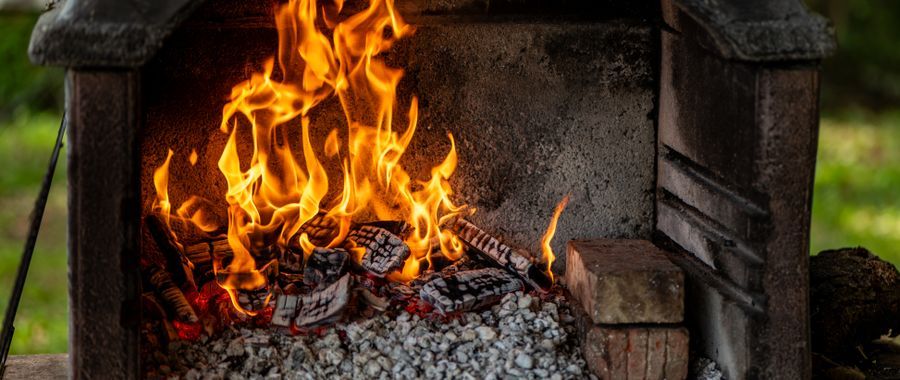
Common brick usually fails for four reasons.
- Moisture inside the brick. Water in pores turns to steam when heated. That internal pressure can crack the face or throw off flakes. This is why outdoor fire pits and wet fireboxes suffer spalling.
- Thermal shock. Rapid heating on one face and a cool back face create steep temperature gradients. Standard bricks are not designed for repeated direct-flame cycling.
- Wrong porosity and composition. Common masonry brick is made for walls and weather exposure, not hot-face service. Different job. Different formulation.
- Weak joint system. Even if the brick survives, ordinary mortar often becomes the first failure point. The assembly opens up course by course. It is a very expensive lesson in chemistry.
A recent fire pit guide from Western Interlock makes the same practical point from the DIY side: regular bricks are often too porous and can fail when moisture and open flame mix. They are right on the mechanism even if their application is residential. The principle is the same in a furnace. Water plus heat plus trapped pressure is bad news for masonry. (Steam has no patience for optimistic material choices.)
Fire brick is built for a different job
Fire brick does not win because it “burns less.” It wins because it is engineered for service conditions that common brick was never meant to see.
In refractory work, the real variables are:
- Maximum sustained temperature
- Thermal cycling frequency
- Atmosphere and chemistry such as alkali, slag, ash, or reducing gas
- Mechanical load and whether the lining is structural or only a hot face
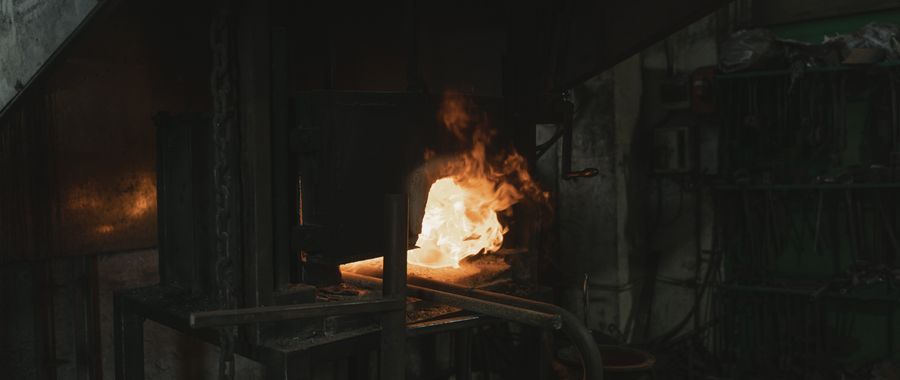
That is why we separate applications into refractory brick categories, then go further into furnace brick selection, insulating refractory brick grades, and outdoor fireplace fire brick. A pizza oven floor, a fireplace side wall, and a cement kiln transition zone do not need the same material, even if all three involve fire.
Fireclay fire brick
Best for many fireplaces, ovens, kilns, and moderate industrial zones. Fireclay brick offers good thermal shock resistance and solid service life when temperatures and chemistry stay within range.
High-alumina brick
Used when the hot face is more severe. Higher alumina grades improve refractoriness, hot strength, and resistance to harsher operating conditions. That is why they show up in steel, cement, and glass work.
Insulating fire brick
Used as a backup layer or in lighter-duty hot zones where weight and heat loss matter. IFB saves energy, but it is not a substitute for dense brick in mechanically abusive hot-face positions.
Need help separating common brick from true refractory brick?
Send us the application, hot-face temperature, and whether the lining sees cycling or continuous service. We will recommend the correct brick family and backup layer.
Request a QuoteDirect flame contact matrix
This is the second asset we think most competitor pages are missing: a simple direct flame contact matrix. It turns a vague safety question into a material decision.
| Application | Can common brick work? | Correct hot-face material | Why |
|---|---|---|---|
| Exterior wall or veneer | Yes | Common clay brick | No direct flame contact. Main requirement is building fire resistance, not refractory duty. |
| Fireplace firebox | No | Medium-duty fireclay brick | Needs repeated heating and cooling with direct flame exposure. |
| Outdoor fire pit liner | No | Fire brick or rated refractory liner | Moisture plus flame is the classic spalling setup. |
| Pizza oven floor and dome | No | Fireclay fire brick | Needs thermal shock resistance and safe food-adjacent hot-face performance. |
| Heat-treatment furnace | No | Fireclay brick plus IFB backup | Cycling service needs a refractory hot face and an energy-saving insulation layer. |
| Cement kiln or steel furnace hot zone | No | High-alumina or specialty refractory brick | High temperature, load, and chemistry exceed common brick capability by a wide margin. |
Fire rating is not the same thing as service temperature
This is the content gap that shows up again and again in the search results. Pages explain that brick is non-combustible. Fewer explain the difference between reaction to fire, fire resistance rating, and refractory service temperature.
- Reaction to fire: Does the material ignite or contribute fuel? Clay brick scores very well here.
- Fire resistance rating: How long can a full wall assembly resist a standard fire test? Thickness, backing, and details matter.
- Service temperature: Can the hot face survive direct, repeated high-temperature process duty? This is the refractory question.
Those are not interchangeable. A brick wall can have an excellent fire rating and still be the wrong choice for a forge, kiln, or firebox lining. Likewise, a dense high-alumina brick can be perfect for a furnace hot face but make no economic sense as a standard building wall.
For buyers, this is the rule of thumb: if the flame touches it on purpose, specify it like a refractory. If the flame is something the wall may face in an emergency, specify it like a building assembly.
Common mistakes that turn “brick won’t burn” into a repair bill
The most common mistake is simple: people stop at the first true statement. Yes, brick does not burn. No, that does not make every brick suitable for direct flame.
- Using regular red brick as the firebox lining. It may survive briefly. It will not age well.
- Lighting wet brick too fast. The trapped moisture problem is real in outdoor applications and new installations.
- Using ordinary mortar with refractory brick. The joint becomes the weak link.
- Ignoring the backup layer. Hot-face brick and insulating brick do different jobs. Confusing them costs energy and service life.
- Choosing by appearance. White, buff, red, or dark brick color is not a performance specification.
One more practical note. If you are asking “can brick burn” because you are choosing between common brick and fire brick, you are already past the point where a generic home-improvement answer is enough. At that moment, the correct question is: what brick grade belongs in this exact hot-face position?
Further reading
- Refractory Bricks: Types, Properties & Industrial Uses
- Fire Brick for Furnaces: Types, Grades & Zone-by-Zone Selection
- Fire Bricks for Outdoor Fireplaces: Types, Specs & Installation
- Brick Development Association: Fire and non-combustibility of clay brick
- Brick Industry Association: Fire Resistance of Brick Masonry
Straight answers
Can brick burn in a fire?
Is brick fireproof or just fire resistant?
Can fire brick burn?
Why does brick crack if it does not burn?
Can I use regular red brick in a fireplace or fire pit?
What temperature can brick handle?
Need a fire brick recommendation for a real project?
Send the operating temperature, fuel type, and whether the lining is for a fireplace, kiln, furnace, or fire pit. We will point you to the right grade. No smoke. Just the answer.
Talk to Firebrics