What Are Refractory Bricks? Types, Properties & Industrial Uses
Jason Gong
Founder & Sales Director · Product Inquiry Contact
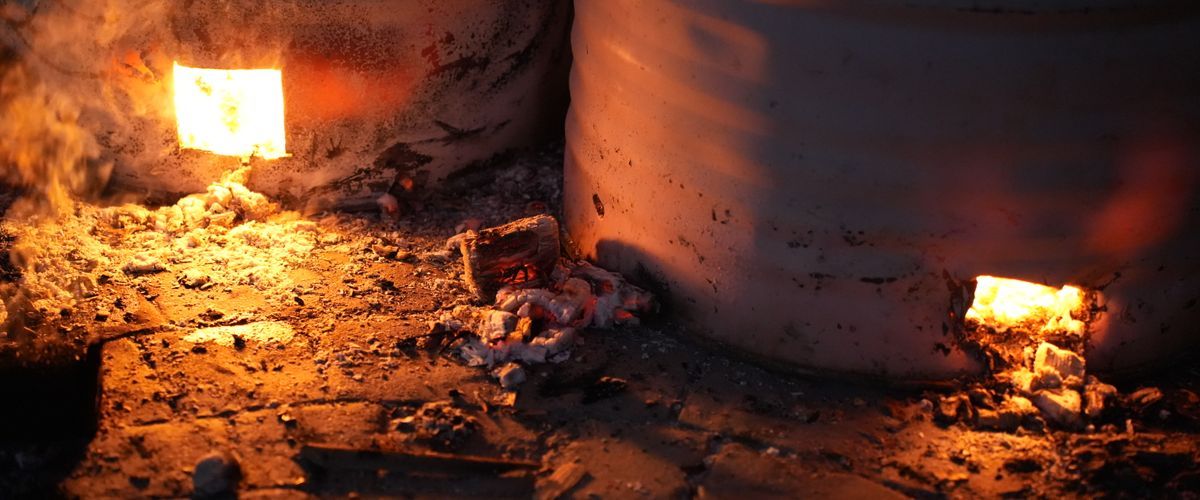
Refractory bricks are ceramic blocks engineered to line furnaces, kilns, boilers, and industrial reactors. They handle temperatures above 1,500°C without cracking, softening, or deciding to become something else entirely. Made from heat-resistant oxides — alumina, silica, magnesia — they are the inner lining of every major steel plant, cement kiln, and glass furnace on earth. Without them, the steel shell fails in minutes. With the wrong ones, it fails in weeks.
Looking for commercial specs instead of the overview? Start with the refractory products catalog or the manufacturer homepage for product families, industry pages, and quotation paths.
The brick that doesn't care about 1,500°C
Every furnace on earth has the same problem. The inside needs to be extremely hot. The outside — the steel shell — would fail at that temperature in about three minutes.
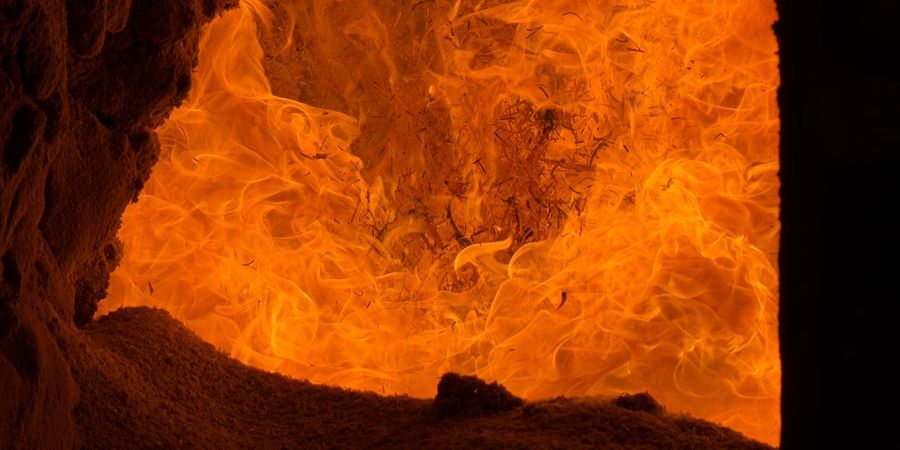
Refractory bricks are the solution. Ceramic blocks, engineered specifically to sit between the process heat and the steel shell, absorb punishment that would destroy conventional materials, and just keep working. High alumina. Magnesia-carbon. Fireclay. Silicon carbide. Different compositions for different temperatures, different chemical environments, different mechanical loads.
The global refractory market is about $25 billion. The steel industry consumes roughly 70% of everything produced. Every tonne of steel made uses approximately 10–15 kg of refractory material. So if you've bought a car, a refrigerator, or a structural beam recently, refractory bricks were involved — whether anyone mentioned it or not.
The most expensive selection mistake is often not the temperature rating. It is choosing a chemical classification that does not match the slag, gas, or process atmosphere. More on that in a moment.
refractoriness
market
steel industry
export to
Six properties. Know them all, or you're guessing.
Specifying a refractory brick by temperature alone is like specifying a car by colour. Technically you've described something. Not enough to drive it.
1. Refractoriness — the actual heat ceiling
The maximum temperature before the brick deforms under load. Measured by Pyrometric Cone Equivalent (PCE). Fireclay bricks: PCE SK34–SK36, roughly 1,600–1,690°C. High alumina: SK38+, above 1,800°C.
Rule of thumb: specify a brick rated at least 100–200°C above your peak operating temperature. The maximum rating is not your operating ceiling — it's the floor you don't want to hit.
2. Thermal shock resistance — what happens when the temperature changes fast
Furnaces heat up and cool down. Sometimes slowly. Sometimes not. The brick needs to handle rapid thermal expansion and contraction without cracking.
The test is literally: heat to operating temperature, quench in cold water, repeat until failure. Count the cycles. (No one in that lab is having a good time, but the data is useful.)
Silicon carbide and spinel-containing grades perform best here. If your process cycles frequently — ceramic kilns, shuttle kilns — prioritise this property.
3. Thermal conductivity — the difference between heating your process and heating the building
Insulating refractory bricks: 0.2–0.6 W/m·K. Dense bricks: up to 6.0 W/m·K for silicon carbide grades. Lower conductivity means the heat stays inside the process. For most kilns and furnaces, lower is better. For applications needing rapid, even heat distribution through the brick mass, higher conductivity has its place.
4. Chemical resistance — the property most buyers underestimate
Your slag has a chemistry. Your brick has a chemistry. Put the wrong pair together and the slag dissolves the brick — slowly and expensively. Acid bricks in a basic environment. Basic bricks in an acid environment. The result is the same: a lining that fails well ahead of schedule, with a root cause that was visible on the specification sheet before the furnace was even lit.
This is the one. More on it in the types section.
5. Cold Crushing Strength — how much mechanical load the brick handles
Measured in MPa. High-load zones — furnace roofs, ladle bottoms, skid supports — need CCS above 50 MPa. Insulating backup linings can be much lower. Don't specify a lightweight insulating brick for a zone that carries mechanical load. The data sheet has this number. Check it before specifying.
6. Apparent porosity — how much the slag can get in
Dense bricks: below 18% apparent porosity. That matters because liquid slag will find any opening and penetrate the brick body. High porosity also means whatever liquid is absorbed expands under heat — which does to a refractory brick approximately what you'd expect. Insulating bricks accept higher porosity in exchange for thermal performance, and that's a reasonable tradeoff in the right zone. In a slag-contact zone, it isn't.
"I need a refractory brick" is about as specific as "I need a vehicle"
There are three ways to classify refractory bricks. By density, by chemistry, and by raw material. You need all three to specify correctly.
By density: dense bricks vs. insulating bricks
Dense (hard) refractory bricks — 2.0–3.2 g/cm³. High compressive strength, low porosity, good resistance to slag penetration. The workhorses. Use these in hot zones where the lining directly contacts the process: ladles, furnace hearths, converter walls.
Insulating (lightweight) refractory bricks — 0.5–1.3 g/cm³. Porous. Lightweight. Excellent thermal insulation. They hold heat in rather than absorbing it — which means faster heat-up, lower fuel consumption, cheaper running costs. They're not the hero of the lining. They're the support act. Use them as backup layers and in lower-temperature zones where slag contact is minimal.
By chemistry: acid, basic, and neutral
Acid refractories — fireclay and silica bricks. Resistant to acidic slag. Not resistant to basic (alkaline) slag. Correct for glass furnace regenerators and coke ovens. Put them in a steelmaking BOF converter and you'll be planning a reline within weeks.
Basic refractories — magnesia, dolomite, chrome-magnesite. They resist the basic slag from steelmaking. Essential for EAF converters, BOF vessels, and cement kiln burning zones. Wrong for glass-contact applications.
Neutral refractories — high alumina, chromite, silicon carbide. Resistant to both acidic and basic attack. The most versatile classification and the most widely used across industries when the process chemistry is variable or uncertain.
By material: the grades and what they handle
Before comparing grades in the table, it helps to know what fire bricks are made of and how firing sets their properties: the same label can hide different raw materials, pore structures and bonds.
| Material | Temperature Range | Classification | Typical Application |
|---|---|---|---|
| Fireclay | 1,200–1,450°C | Acid / Neutral | General kilns, boilers, residential |
| High Alumina (≥45% Al₂O₃) | 1,500–1,700°C | Neutral | Cement kilns, steel reheating furnaces |
| Silica | 1,650–1,700°C | Acid | Glass furnace crowns, coke ovens |
| Magnesia (MgO) | >1,700°C | Basic | BOF converters, cement burning zone |
| Magnesia-Carbon (MgO-C) | >1,700°C | Basic | EAF, steel ladles, BOF hot spots |
| Silicon Carbide (SiC) | 1,600–1,800°C | Neutral | Kiln furniture, non-ferrous smelting |
| Zirconia (ZrO₂) | >1,800°C | Neutral | Specialty glass, ultra-high-temp processes |
Fire bricks vs. refractory bricks — not the same bucket
The terms get used interchangeably. They shouldn't be.
Fire bricks are a specific product — fireclay-based ceramic blocks, typically rated to around 1,450°C. They're what goes in a pizza oven, a residential fireplace, a backyard forge. Good for that. Not suitable for a steel ladle running at 1,700°C with basic slag chemistry that would reduce a fireclay brick to rubble in eight heats.
Refractory bricks is the broader category. It includes fire bricks, plus every industrial grade above them: high alumina, magnesia, magnesia-carbon, silicon carbide, fused cast AZS, zirconia. All fire bricks are refractory bricks. Most refractory bricks are not fire bricks.
The version to remember: If you're lining a wood-fired pizza oven, fire bricks are correct and cost-effective. If you're lining an electric arc furnace or a cement rotary kiln, you need an engineered industrial grade — and the datasheet matters more than the product name.
The confusion costs money when buyers source "fire bricks" for an industrial application because the name sounds close enough. It isn't. The service life tells the difference, at operating temperature, faster than anyone wants.
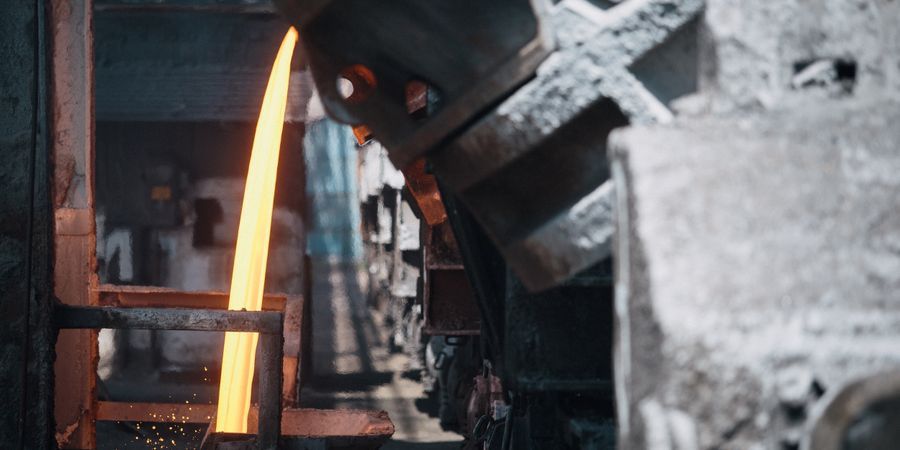
Steel. Cement. Glass. Ceramic. If it gets hot, it needs lining.
Each sector imposes specific thermal, chemical, and mechanical conditions. The correct specification in one application can be the wrong specification in another — even at the same operating temperature.
Steel industry
The largest consumer globally. Zone-by-zone specification matters enormously:
- Blast furnaces: high alumina in the stack; carbon and SiC at the hearth where molten iron collects
- EAF and BOF converters: magnesia-carbon bricks in the hot zone — basic slag chemistry at 1,700°C+ leaves no alternative
- Steel ladles and tundishes: alumina-magnesia-carbon in the slag zone; high alumina in the barrel and bottom
- Reheating furnaces: high alumina (65–75% Al₂O₃) for roofs, walls, and skid supports
Get a single zone wrong and you're planning an early reline. We've seen EAF hot-zone linings fail at 30 heats because acid-grade bricks were used where MgO-C was needed. The replacement lining lasted 180 heats. Same zone. Correct grade. (The customer did not find this comparison funny. We didn't mention it.)
"The cheapest quote for refractory bricks is almost never the cheapest lining. Anyone telling you otherwise is counting tonnes, not campaigns."
Cement plants
Rotary kilns hit 1,450°C in the burning zone and rotate continuously — abrasion plus thermal stress plus chemical attack, all at once. The specification divides by zone:
- Burning zone: magnesia-spinel bricks for thermal shock resistance and resistance to clinker coating build-up
- Transition zones: high alumina, 75–85% Al₂O₃, balancing strength and thermal flexibility
- Inlet and outlet zones: anti-spalling fireclay or low-cement castable linings
One-size-fits-all is not a cement kiln strategy. The burning zone specification and the inlet zone specification are different problems.
Glass furnaces
Glass melting furnaces run continuously at 1,500–1,650°C. Shutting one down for a lining replacement costs more than most people want to calculate.
Silica bricks line the regenerator chambers and furnace crown. The glass-contact zones use fused-cast AZS (alumina-zirconia-silica) — the one grade that genuinely resists dissolution in molten glass. The wrong specification here is not a recoverable error. There is no "patch it later" at operating temperature in a continuous glass furnace.
Ceramic kilns
Tunnel kilns and shuttle kilns for tiles, porcelain, and sanitaryware. Lightweight insulating refractory bricks go on kiln car decks and sidewalls — they store less heat, which means faster heat-up, less fuel per firing cycle, lower operating cost. Where direct flame contact occurs, high alumina bricks rated to the peak firing temperature. The two zones have different requirements. Both matter.
Non-ferrous metal smelting
Copper, aluminium, zinc, nickel smelting. Slag that is often highly fluid, chemically aggressive, and operates at 1,000–1,400°C. Silicon carbide and chrome-magnesite bricks handle the corrosion. This is also the sector where we most frequently receive calls from customers who used a cheaper alternative and found the lining in poor condition after six months. We help them fix it. We don't say "we told you so." (We think it.)
Five questions. Answer them before specifying anything.
There is no universal best refractory brick. There is only the right brick for a specific combination of temperature, chemistry, load, and cycling pattern.
- What is the maximum operating temperature? Select a brick rated at least 100–200°C above your peak. The maximum rating on the datasheet is not your operating ceiling — it's the point at which the brick starts having structural opinions.
- What is the slag chemistry? Acidic, basic, or neutral. This single question prevents more premature lining failures than anything else. A brick that handles the temperature but not the chemistry will fail via corrosion, not heat. Faster and more expensively.
- What mechanical load does the zone carry? Furnace roofs, ladle bottoms, and skid supports need Cold Crushing Strength above 50 MPa and low creep at temperature. The CCS value is in the technical datasheet. Check it.
- How frequently does the furnace cycle? Steady-state operation allows you to prioritise chemical resistance. Frequent heat-up and cool-down — ceramic kilns, shuttle kilns — requires strong thermal shock resistance. The two sometimes trade off. Know which matters more in your application.
- What is the actual cost per campaign, not per tonne? Magnesia-carbon bricks cost significantly more per tonne than fireclay. In the right zone, they last six times longer. "Cheapest per tonne" is a number. "Cheapest outcome" is a different number, and it's the one that matters when you're planning the next reline.
If you're not sure of the answers, tell us the application and we'll tell you what grade we'd specify and why. That's included in the conversation — not in a separate quote.
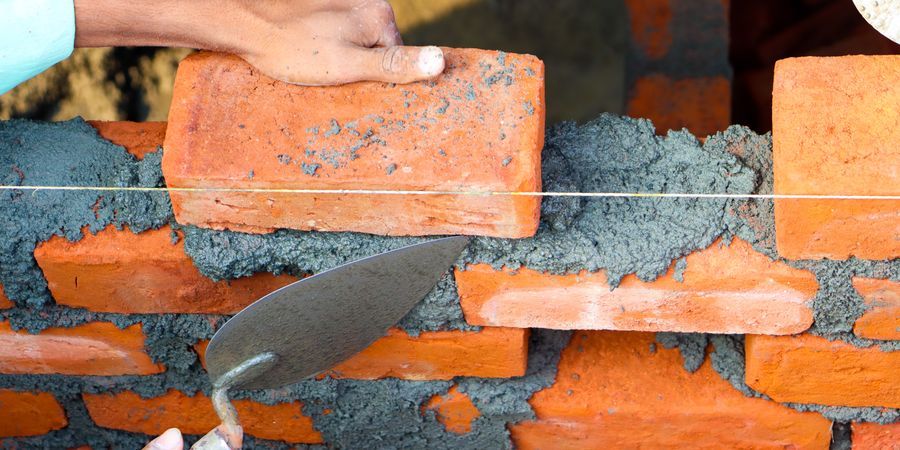
Five steps. None complicated. All skipped.
The best refractory brick available will fail prematurely with poor installation. We've seen it. The reverse is also true — solid installation technique with a good quality brick consistently outperforms excellent brick with poor installation. The joint is where most failures start.
Before step 1, check the product and furnace documents before installation: the controlling drawing, the mortar data sheet and the heat-up procedure for your exact lining take priority over the generic values below, including the joint thickness.
Surface preparation
Clean the steel shell. Remove rust, scale, old mortar — all of it. Any surface irregularity transmits directly into uneven brick-to-brick contact, uneven load distribution, and early joint failure. This step costs 30 minutes. Skipping it costs a reline.
Mortar selection — match the brick grade exactly
High alumina brick requires high alumina mortar. Magnesia brick requires magnesia mortar. Standard Portland cement at operating temperature is not a bond — it's a suggestion. Use mortar matched to the brick composition. The correct mortar is specified on the technical datasheet. It is not optional.
Joint thickness: 1–2 mm
Not 4 mm. Not whatever a full trowel delivers. One to two millimetres. Thick joints crack under thermal cycling — differential expansion puts the weakest points under maximum stress. Once a joint cracks, liquid slag finds it within a few heats. Use a notched trowel or dip-coat method to get consistent joint thickness throughout the lining.
Staggered layout — no continuous vertical joints
Each joint covered by the brick above. No vertical joint aligned across more than one course. Continuous vertical joints are structural crack paths — thermal stress finds them and runs straight through the lining. A running bond pattern is not decorative choice. It's load distribution.
Controlled heat-up — the step that destroys more new linings than any other
After installation: 25–50°C per hour to 120°C, hold 4–8 hours. Then 25–50°C per hour to 300°C, hold 4 hours. Then continue to operating temperature at 25°C per hour. This removes moisture in stages. Rush it and steam pressure builds inside the lining. The bricks spall. We've seen brand-new linings, correctly specified and correctly installed, destroyed in the first heat-up because someone decided the schedule was too conservative. (The technical term for the sound this makes is not printable here.)
Most premature failures are preventable. Four of five happen before the furnace is lit.
Understanding why refractory linings fail early makes it significantly easier to not have them fail early. The causes are not mysterious.
- Thermal shock. Rapid temperature change. Differential expansion. Cracks. The solution is a controlled heat-up and cool-down protocol. Silicon carbide and spinel grades provide better inherent resistance if the process inherently cycles. Using a grade with poor thermal shock resistance in a cycling application is a scheduling problem dressed as a material failure.
- Chemical attack. Wrong brick chemistry for the slag environment. Acid brick in a basic environment dissolves from the hot face inward. It looks intact from outside the furnace right up until it isn't. The root cause was visible on the specification sheet before the first heat. Match the chemistry. It's in the datasheet.
- Mechanical erosion. High-velocity gas streams and particle impact physically remove the hot face. Dense bricks with high abrasion resistance — check the cold abrasion index — go in high-velocity zones. Lightweight insulating bricks do not. The roles are not interchangeable.
- Wrong grade for the application. Fireclay bricks where 75% alumina is needed. Acid bricks in a basic furnace. Insulating bricks in a mechanical load zone. The application conditions exceed the brick's capability. The brick announces this at operating temperature, which is inconvenient timing. Consult a technical specification before ordering.
- Poor installation. Over-thick mortar joints. Misaligned courses. Moisture not removed before first heat-up. The installation quality ceiling is set by the installer, not the material. Correct installation with a decent grade will consistently out-last poor installation with a premium grade. The joint is where it starts.
Straight answers
Questions we hear regularly, answered directly.
What are refractory bricks used for?
What is the difference between refractory bricks and fire bricks?
What temperature can refractory bricks withstand?
What are refractory bricks made of?
How long do refractory bricks last?
How do you install refractory bricks?
What type of refractory brick is best for steel furnaces?
Know what you need? We'll quote it. Not sure? We'll tell you what we'd specify.
Compare high alumina, magnesia-carbon, insulating, and fireclay bricks by service conditions, then send your dimensions and operating data for a project-specific grade review. Custom OEM sizes are available.
We'll also, probably, have a technical opinion about your application. That's not a warning — it's the service.