What Are Fire Bricks Used For? Applications from Fireplaces to Cement Kilns
Jason Gong
Founder & Sales Director · Product Inquiry Contact
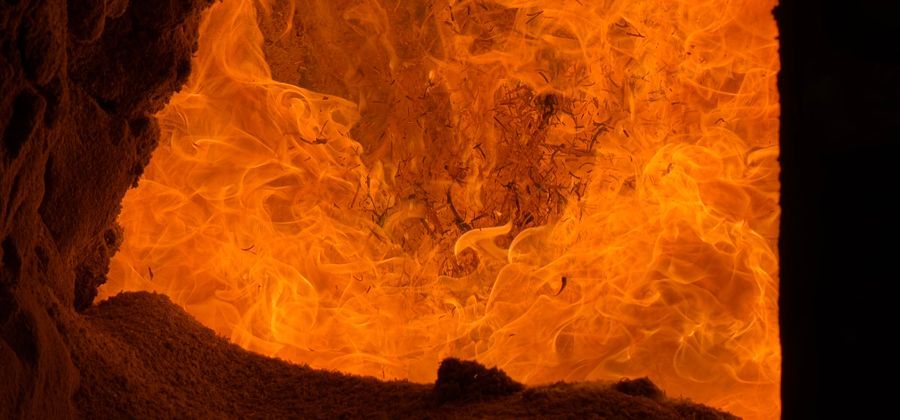
Fire bricks are used to line any structure that must contain or direct high-temperature heat: residential fireplaces, pizza ovens, forges at the consumer end; cement kilns, glass furnaces, steel furnaces, ceramic kilns at the industrial end. The correct grade depends on the maximum temperature and chemical environment of the specific application — not just a generic "fire brick."
What fire brick actually does
Fire bricks (also called refractory bricks or firebricks) are dense ceramic blocks engineered to survive high temperatures without melting, cracking, or losing structural integrity. Standard construction brick starts to fail at approximately 600°C — which is roughly where a wood fire in a residential fireplace is getting started. Fire brick starts where construction brick gives up.
Their two functions in any application: contain heat (absorb and re-radiate it back into the combustion chamber) and protect structure (prevent heat from reaching the steel, concrete, or masonry behind them). In an industrial furnace, a properly specified fire brick lining is the difference between a 2-year and a 20-year campaign.
minimum rating
maximum service
most common grade
Residential applications
Fireplaces and wood stoves
The firebox of a wood-burning fireplace or stove reaches 500–900°C during normal operation and up to 1,100°C in a hot fire. Fire brick lines the back wall, side panels, and floor of the firebox. Standard specification: medium-duty fireclay (1,480°C rated), 230×114×65 mm. The fire brick protects the steel or masonry behind it and reflects heat into the room. See our fireplace fire brick guide for installation considerations.
Wood-fired pizza ovens
Pizza oven floors reach 350–500°C; the dome reaches 380–480°C. Medium-duty fireclay brick is standard for both. Split bricks (230×114×32 mm, 32 mm thick) are used for the floor to balance thermal mass and heat-up speed. The dome uses full or custom-wedge bricks mortared with refractory mortar. See our pizza oven refractory guide.
Outdoor fireplaces and fire pits
Outdoor fireplaces are built with medium-duty fireclay in the firebox. Open fire pits rarely need fire brick for the base — the temperature is below 600°C for casual use — but benefit from it if used intensively with wood burning. See our outdoor fireplace fire brick guide.
Chimneys
The interior chimney flue (the smoke path above the firebox) uses medium-duty fire brick or specialist flue liners. The exterior chimney — visible above the roofline — uses standard construction brick, not fire brick. The temperature in the flue is significantly lower than the firebox. Review the surrounding firebox requirements in our outdoor fireplace fire brick guide.
DIY and small industrial applications
Blacksmith forges
A propane forge for blacksmithing reaches 1,100–1,300°C. For forge welding: up to 1,370°C. K26 insulating fire bricks (IFB, rated 1,430°C) are the standard lining for gas forges — they heat up faster than dense fireclay and reduce fuel consumption. Dense fireclay is used for areas subject to direct flame impingement or mechanical impact. See our insulating fire brick guide.
Pottery kilns
Pottery kilns firing earthenware (1,000–1,150°C) typically use medium-duty fireclay for the walls and floor, with IFB K23–K26 as backup insulation. Stoneware kilns (1,200–1,350°C) use high-duty fireclay or Grade III alumina for the hot face. Porcelain kilns (1,280–1,400°C) may use Grade III alumina or K28 mullite IFB for kiln car tops. See our insulating refractory brick guide.
Industrial applications
Cement kilns
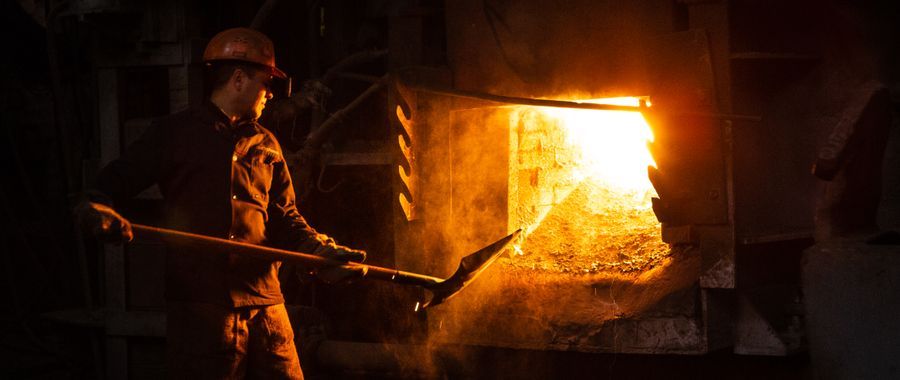
Cement rotary kilns are the largest single industrial application for refractory bricks globally. The burning zone runs at 1,400–1,500°C with basic CaO-rich clinker. Zone-appropriate specification: Grade II alumina (60–70% Al₂O₃) for the burning zone, high-duty fireclay for cooler zones. Campaign life: 3–18 months depending on grade and operating practice. See our cement kiln refractory guide.
Steel industry furnaces
Steelmaking uses fire brick in EAF (electric arc furnaces), BOF (basic oxygen furnaces), ladles, and torpedo ladles. The dominant material for steel-contact zones is MgO-C (magnesia-carbon) brick due to basic slag chemistry at 1,600–1,700°C. High-alumina brick is used in ladle safety linings. See our steel industry refractory guide.
Glass furnaces
Glass melting furnaces operate at 1,400–1,700°C. The crown (highest point) uses silica brick. Side walls and breast walls use Grade I alumina. Regenerator checkers use Grade III alumina or silica brick. Campaign life: 10–20 years for well-maintained glass furnaces. See our glass furnace refractory guide.
Lime and mineral calcination kilns
Lime kilns process calcium carbonate at 900–1,300°C. Grade III alumina or high-duty fireclay is standard for the hot zone. IFB K26–K28 for backup insulation throughout.
Applications reference table
| Application | Operating temp (°C) | Correct brick type | Notes |
|---|---|---|---|
| Residential fireplace | 500–900 | Medium-duty fireclay | 1,480°C rating; replace cracked bricks annually |
| Wood-fired pizza oven | 350–500 | Medium-duty fireclay | Split bricks (32 mm) for floor; refractory mortar for dome |
| Outdoor fireplace | 400–750 | Medium-duty fireclay | As per indoor fireplace; check UV-stable refractory mortar |
| Gas forge (propane) | 1,100–1,300 | K26 IFB (insulating) | K26 rated 1,430°C; IFB for faster heat-up |
| Coal forge | 1,000–1,370 | Dense fireclay (high-duty) | Dense brick for coal contact zone; K26 IFB elsewhere |
| Pottery kiln (earthenware) | 1,000–1,150 | Medium/high-duty fireclay | IFB backup; kiln car tops use K23–K26 |
| Pottery kiln (stoneware) | 1,200–1,350 | High-duty fireclay or Grade III alumina | K26–K28 backup; Grade III alumina for hot face |
| Cement kiln (burning zone) | 1,400–1,500 | Grade II alumina (60–70% Al₂O₃) | Basic clinker chemistry; high RUL required |
| Glass furnace crown | 1,580–1,700 | Silica brick | Never cool below 600°C; see silica brick guide |
| Steel EAF (slag zone) | 1,600–1,700 | MgO-C brick (standard 14–17% C) | Basic slag; MgO-C required; not supplied by Firebrics directly |
| Heat treatment furnace | 750–1,100 | Medium/high-duty fireclay | Thermal cycling → fireclay shock resistance essential |
Not sure which grade your application needs?
Tell us your application, operating temperature, and fuel type — our technical team will confirm the correct fire brick grade.
Ask Our TeamFurther reading
- All refractory fire brick types compared — Firebrics
- Fireclay and refractory brick types overview
- High alumina bricks: grades and properties
- Firebrick — Wikipedia
- ASTM C27 — Fireclay and High-Alumina Refractory Brick